
The global pet CBD market is estimated at roughly $435-576 million in 2025-2026, with major research firms projecting growth to $4-5.5 billion by 2033-2034 — compound annual growth rates around 31-33%. Growth is driven by pet humanization, aging pet populations, and growing awareness of cannabinoid wellness.
- Pet CBD is a ~$450-575M market today, projected to reach $4-5.5B within a decade
- Research firms consistently project ~31-33% compound annual growth
- Drivers: pet humanization, senior pets, and mainstream awareness of cannabinoid wellness
- Fast growth attracts low-quality entrants — formulation credentials and batch testing matter more, not less
- Veterinarian-formulated products with NASC certification are the quality tier of the category
Ten years ago, cannabinoid wellness for pets was a fringe idea pioneered by a handful of veterinarians. Today it's one of the fastest-growing categories in pet care. Here's what the research firms measure — and what the numbers actually mean if you're a pet parent choosing a product.
The market today
Estimates vary by firm and definition, but they cluster tightly:
| Research firm | Current size | Projection | CAGR |
|---|---|---|---|
| Straits Research | $435M (2025) | $5.48B by 2034 | ~32% |
| Grand View Research | — | $3.94B by 2033 | ~32.7% |
| The Insight Partners | $448M (2025) | $5.12B by 2034 | ~31.1% |
Whichever line you trust, the shape is the same: a roughly half-billion-dollar market today, projected to grow eight- to ten-fold within a decade, at compound annual growth rates above 30%.
What's driving the growth
- Pet humanization. Pets are family, and pet parents increasingly expect the same wellness options for their animals that they use themselves.
- An aging pet population. Senior dogs and cats are the heart of the category — households seeking joint mobility and comfort support for aging companions.
- Mainstream normalization. As cannabinoid wellness went mainstream for humans, the stigma barrier for pets fell with it.
- Veterinary engagement. More veterinarians are studying cannabinoids and more states explicitly allow vets to discuss them with clients — California was the first to protect those conversations by law.
What growth means for quality
A category growing 30%+ per year attracts everyone — including brands with no formulation expertise, no testing program, and labels that don't match contents. Independent studies of pet CBD products have repeatedly found mislabeled cannabinoid amounts across the industry.
That makes the trust markers more important as the market grows, not less:
- Who formulated it — a veterinarian, or a marketing team?
- Batch testing — third-party certificates of analysis for every batch, covering potency, pesticides, solvents, heavy metals, and microbials
- NASC certification — the National Animal Supplement Council's quality seal
- Disclosed amounts — exact cannabinoid content per serving, not proprietary blends
Where VetCBD sits in this story
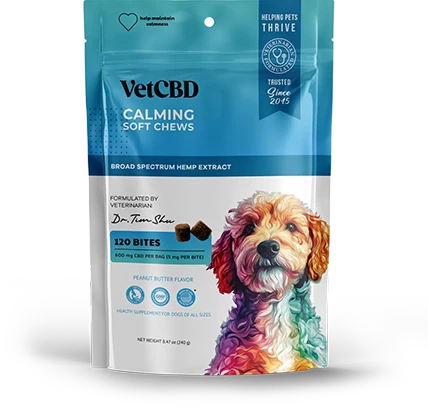
VetCBD was founded in 2015 by Dr. Tim Shu, a practicing veterinarian, before pet cannabinoid care was a market anyone measured. A decade and more than a million pets later, the same veterinarian formulates every product, every batch is third-party tested, and a veterinary team offers free product consultations — the quality tier the category's growth makes necessary. Retailers and partners can learn more through our wholesale program.
Common questions
How big is the pet CBD market?
Estimates for 2025-2026 cluster around $435-576 million globally, depending on the research firm and how the category is defined. Projections for the early 2030s range from roughly $4 billion to $5.5 billion.
How fast is the veterinary CBD market growing?
Most major research firms project compound annual growth rates between 31% and 33% through the early 2030s, making pet CBD one of the fastest-growing segments in pet care.
Why is pet CBD growing so fast?
Three forces: pet humanization (pets treated as family members), a large and aging senior-pet population seeking comfort and mobility support, and mainstream normalization of cannabinoid wellness for humans carrying over to pets.
Does market growth mean all pet CBD products are trustworthy?
No — fast-growing categories attract low-quality entrants. Look for veterinarian formulation, third-party certificates of analysis on every batch, NASC certification, and clearly disclosed cannabinoid amounts.

