

Fish oil is one of the most widely used supplements in the pet world, and for good reason — it's well-researched, generally well-tolerated, and offers a range of benefits for many dogs. But like any supplement, understanding what it can and can't do helps you set reasonable expectations and make smarter decisions for your dog's wellness.
What's in Fish Oil — and Why It Matters
Fish oil's primary active ingredients are omega-3 fatty acids: EPA (eicosapentaenoic acid) and DHA (docosahexaenoic acid). These are essential fatty acids, meaning dogs cannot produce them on their own and must get them through diet or supplementation. Most commercial dog foods contain some omega-3s, but levels are often insufficient — particularly after kibble processing degrades the fats.
Benefits of Fish Oil for Dogs
- Skin and coat health: Omega-3s support a healthy coat and may help dogs with dry, flaky skin or excessive shedding. This is among the most well-supported benefits of fish oil in dogs.
- Normal inflammatory response: EPA and DHA play a role in regulating the body's inflammatory processes. Regular supplementation may help support dogs with normal age-related joint stiffness.
- Cardiovascular and immune support: Omega-3s are associated with heart and immune health in both humans and animals.
- Brain and eye development: DHA is particularly important for puppies and pregnant or nursing dogs, supporting healthy neurological and visual development.
Limitations and Considerations
Fish oil is not without caveats. Too much can cause loose stools, weight gain (it's calorie-dense), and — in very high doses — may actually impair normal platelet function. Product quality also varies: fish oil oxidizes quickly and rancid oil provides no benefit and can be harmful. Choose a reputable, fresh product stored in a dark bottle, and follow label guidance on serving size based on your dog's weight.
Fish oil is also not a substitute for veterinary care or a complete wellness plan — it's a useful addition, not a foundation.
How Hemp CBD Compares (and Complements)
While fish oil primarily works through omega-3 fatty acids, hemp CBD works through a different pathway entirely — the endocannabinoid system (ECS), a regulatory network in the body that affects mood, comfort, sleep, and inflammatory response. The two supplements are not competing; many pet owners and veterinarians use them together as complementary parts of a wellness routine.
Here's a simplified comparison:
- Fish oil: Best for skin/coat, omega-3 deficiency, cardiovascular and brain support
- CBD: Best for daily calm, comfort support, mobility in aging dogs, and overall endocannabinoid system balance
If your dog could benefit from both coat support and mobility or calming support, using fish oil and a vet-formulated CBD product together is a reasonable approach — just confirm with your veterinarian first, especially if your dog is on other medications.
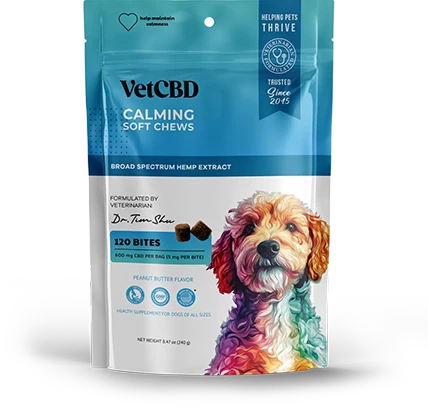
Our full-spectrum CBD tinctures and Mobility Chews are formulated by Dr. Tim Shu, DVM, triple-tested for purity and potency — view our lab results here.
Frequently Asked Questions
How much fish oil should I give my dog?
General guidance is approximately 20–55mg of EPA and DHA combined per pound of body weight daily, but always follow your specific product's label and consult your veterinarian for dogs with health conditions.
Can I give my dog fish oil and CBD together?
Yes, in most cases. They work through different mechanisms and complement each other well. Consult your veterinarian if your dog is on medications. Book a free vet consultation with our team for personalized guidance.
Is hemp oil the same as fish oil for dogs?
No. Hemp oil contains omega-3s and omega-6s but works differently from both fish oil and CBD oil. Hemp CBD oil specifically refers to products containing cannabidiol — the active compound in VetCBD's products — not hemp seed oil.

