

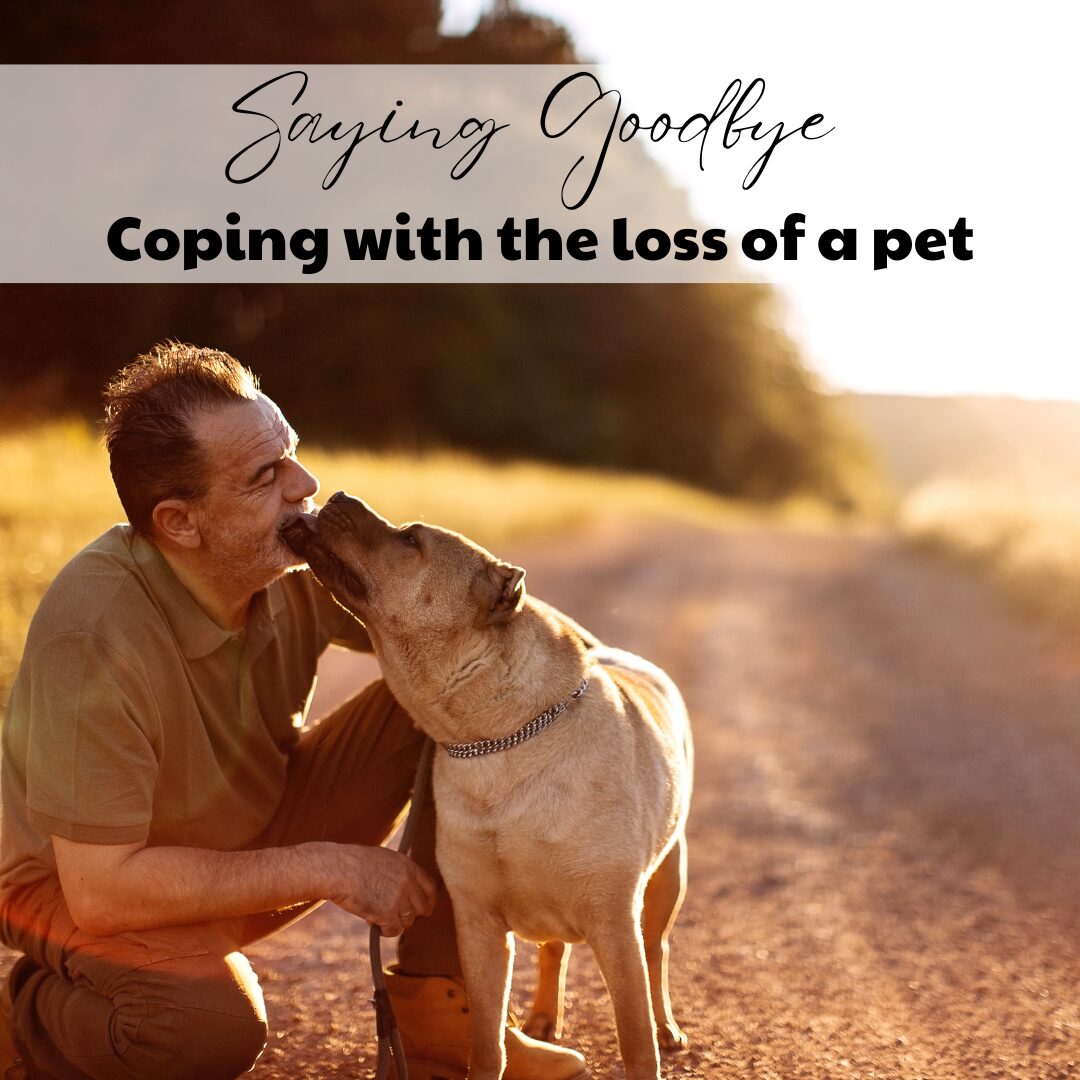
Healing After Pet Loss: Coping With Grief and Honoring Your Companion
Share
Healing After Pet Loss: Coping With Grief and Honoring Your Companion
In my years as a veterinarian, I've been present for some of the hardest moments in my clients' lives. The loss of a beloved pet is real grief — and it deserves to be treated that way. If you're reading this because you've recently lost a companion, I'm sorry. What you're feeling is valid, it's natural, and you're not alone.
Understanding Pet Grief
The grief that follows losing a pet can be as intense and complex as any loss. Pets are members of our families — they're present for our daily routines, our best and worst moments, our quiet evenings and chaotic mornings. When they're gone, the absence is felt in every corner of daily life.
Yet pet grief is often minimized by people who don't understand the bond. You may hear things like "it was just a dog" or "you can get another one." These comments are well-intentioned but deeply unhelpful. What you're experiencing is legitimate mourning, and it follows no prescribed timeline.
Stages of Grief After Pet Loss
Grief rarely moves in a straight line. Many people experience some version of the following — in no particular order, and often cycling through them multiple times:
- Shock and disbelief — even after an anticipated loss, the finality can be stunning
- Sadness and longing — missing their physical presence, their routines, their personality
- Guilt — questioning end-of-life decisions, wondering if more could have been done. This is extremely common and almost always unfounded.
- Anger — sometimes directed at the illness, the situation, or even at the vet
- Acceptance — not forgetting, but integrating the loss into a continuing life
Practical Ways to Process Grief
Allow Yourself to Feel It
Suppressing grief tends to extend it. Give yourself permission to cry, to be sad, to miss them openly. Grief acknowledged moves through us; grief suppressed gets stuck.
Create a Memorial
Many people find meaning in creating a tangible tribute:
- A framed photo or portrait
- A memory box with their collar, a paw print, a lock of fur
- A garden memorial — a plant or stone marker in a meaningful spot
- A charitable donation in their name to an animal welfare organization
- Writing about them — even privately in a journal
Find Community
The experience of being truly understood by someone who knows this kind of loss is healing. Seek out:
- Pet loss support groups (many veterinary schools and humane societies offer free sessions)
- Online communities dedicated to pet bereavement
- A therapist or counselor who takes pet grief seriously
- Friends or family who have experienced the same kind of loss
Maintain Routine
Structure is stabilizing when everything feels disoriented. Try to maintain regular sleep, mealtimes, and movement, even when motivation is low.
Helping Children Understand Pet Loss
Pet loss is often a child's first experience with death. Use honest, age-appropriate language rather than euphemisms like "went to sleep" (which can create genuine fear around bedtime). Acknowledge their feelings, share your own sadness appropriately, and allow them to participate in memorializing their pet in whatever way feels right to them.
Your Other Pets May Grieve Too
Animals in a household often react to the loss of a companion. You may notice changes in appetite, increased vocalization, lethargy, or searching behavior. These can last days to weeks. Maintain their routine, offer extra attention, and speak with your vet if behavioral changes persist.
For pets showing signs of stress or behavioral disruption after a loss, our veterinarian-formulated CBD tinctures may support their sense of calm and wellbeing during the adjustment period. Book a free consultation with Dr. Tim Shu, DVM if you have questions about supporting your remaining pets.
When You're Ready: Considering Another Pet
There's no right timeline for when (or whether) to welcome another animal companion. Some people find healing in adoption; others need significant time before they're ready. Neither choice is wrong. The love you had for your pet doesn't need to be replaced — a new companion, when the time is right, is an addition, not a substitution.
A Note From Dr. Tim Shu
To every client and every pet owner who has sat across from me in an exam room during some of the hardest moments of their lives: thank you for trusting me. The bond between humans and their animal companions is one of the most extraordinary things I've witnessed in thirty years of practicing medicine. Losing that bond hurts because it was real. You gave your pet a beautiful life. That is everything.
Frequently Asked Questions
How long does grief after pet loss last?
There's no standard timeline. Acute grief — intense daily sadness — typically softens over weeks to a few months for most people. Waves of grief may return for years, especially around anniversaries or holidays. If grief is significantly impairing your daily function after several months, speaking with a therapist can help.
Is it normal to feel as sad about a pet as a person?
Completely normal. The bond with an animal companion can be one of the deepest in a person's life. The grief that follows their loss reflects the love that was there — and that love was real.
When should I be concerned about my other pets after a loss?
Watch for changes in eating, drinking, energy, and behavior that persist beyond 1–2 weeks. Contact your vet if a remaining pet stops eating, shows significant behavior changes, or seems physically unwell. Some behavioral changes after a companion's loss can last weeks; persistent issues merit veterinary attention.
