

CBD and Cannabis in Zoos and Wildlife Sanctuaries: What the Science Is Showing
The conversation around cannabis-based medicine in veterinary care has expanded significantly in recent years — and not just for dogs and cats. Zoos, wildlife sanctuaries, and exotic animal care facilities around the world have begun exploring CBD and cannabis-derived compounds as part of their wellness protocols. As a veterinarian who has worked extensively with hemp-derived CBD, I find this development both exciting and validating.
Why Zoological Institutions Are Looking at CBD
Caring for wild animals in captivity presents unique challenges. Exotic animals are often highly stress-reactive, and traditional pharmaceutical interventions that work well in domestic animals can be more difficult to dose, administer, and tolerate in species with less-studied physiology.
CBD's profile — non-intoxicating, generally well-tolerated, with potential calming and anti-inflammatory properties — makes it an appealing candidate for exploring in zoological settings. Among the areas being investigated:
- Behavioral calming — reducing stereotypic behaviors (repetitive movements that indicate chronic stress) in captive animals
- Pain management — supporting older or injured animals receiving rehabilitation
- Transport and handling stress — assisting animals during veterinary procedures or facility moves
- Post-surgical recovery — supporting comfort during healing
Notable Examples
Several institutions have been reported in veterinary literature and popular press to have trialed or implemented CBD protocols:
- Primate sanctuaries exploring CBD for formerly-traumatized chimps and gorillas showing anxiety-related behaviors
- Horse and equine rehabilitation centers using hemp-based supplements for pain support in retired performance animals
- Bird sanctuaries exploring CBD's effects on feather-destructive behavior
It's important to note that much of this work is early-stage, with limited peer-reviewed research in exotic species specifically. The endocannabinoid system — which CBD interacts with — is present in all mammals and most vertebrates, which provides a biological rationale for broader investigation.
What This Means for Domestic Pet Wellness
The growing scientific and institutional interest in CBD for animals of all kinds reflects what many veterinarians and pet owners have already observed: the endocannabinoid system plays a meaningful role in animal wellness, and well-formulated CBD products can support it safely.
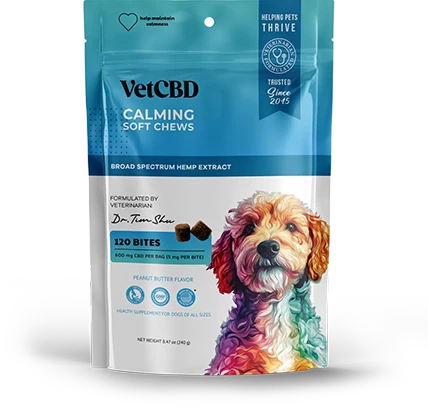
At VetCBD Hemp, Dr. Tim Shu, DVM has been at the forefront of veterinary CBD advocacy — working to ensure that pet owners have access to rigorously tested, properly dosed products backed by veterinary expertise. The same principles being explored in zoological medicine apply to the family dog and cat.
Explore our veterinarian-formulated CBD tinctures for dogs and cats and our equine CBD tincture. Review our third-party lab results or schedule a free consultation with Dr. Tim Shu.
The Endocannabinoid System Across Species
One of the most compelling aspects of CBD research is that the endocannabinoid system (ECS) — the biological system that CBD interacts with — is ancient and broadly conserved across the animal kingdom. It's found in:
- All mammals (including humans, dogs, cats, horses, primates)
- Birds
- Fish
- Reptiles
- Many invertebrates
The ECS regulates mood, pain perception, inflammation, appetite, sleep, and stress response — functions that are critical in virtually every animal species. This is why veterinary researchers believe CBD's applications may extend well beyond the domestic species studied to date.
Looking Ahead: Veterinary Cannabis Research
The passage of the 2018 Farm Bill and subsequent state-level legislation opened the door for more rigorous CBD research in animals. Clinical trials at universities including Colorado State, Cornell, and UC Davis have produced published data on CBD in dogs. International research on horses, cats, and exotic species is also expanding.
We're still in the early chapters of understanding the full therapeutic potential of CBD in veterinary medicine — but the direction is clearly forward.
Frequently Asked Questions
Do zoos actually use CBD?
Some zoological institutions and wildlife sanctuaries have trialed CBD protocols for animals showing stress-related behaviors, though formal published research in exotic species is still limited. The biological rationale — a shared endocannabinoid system — supports investigation.
Is CBD safe for exotic animals?
This depends heavily on the species, the formulation, and the dose. While CBD appears safe across most mammalian species at appropriate doses, exotic animal medicine requires species-specific expertise. Any CBD use in non-domestic animals should be supervised by a veterinarian with exotic animal experience.
How does CBD work in animals?
CBD interacts primarily with the endocannabinoid system (ECS), which regulates mood, inflammation, pain perception, and stress response. It does this without producing the intoxication associated with THC — making it suitable for therapeutic use in animals.

