

Can Dogs Eat Peaches? A Vet's Guide to Stone Fruits and Dog Safety
Share
Can Dogs Eat Peaches? A Vet's Guide to Stone Fruits and Dog Safety
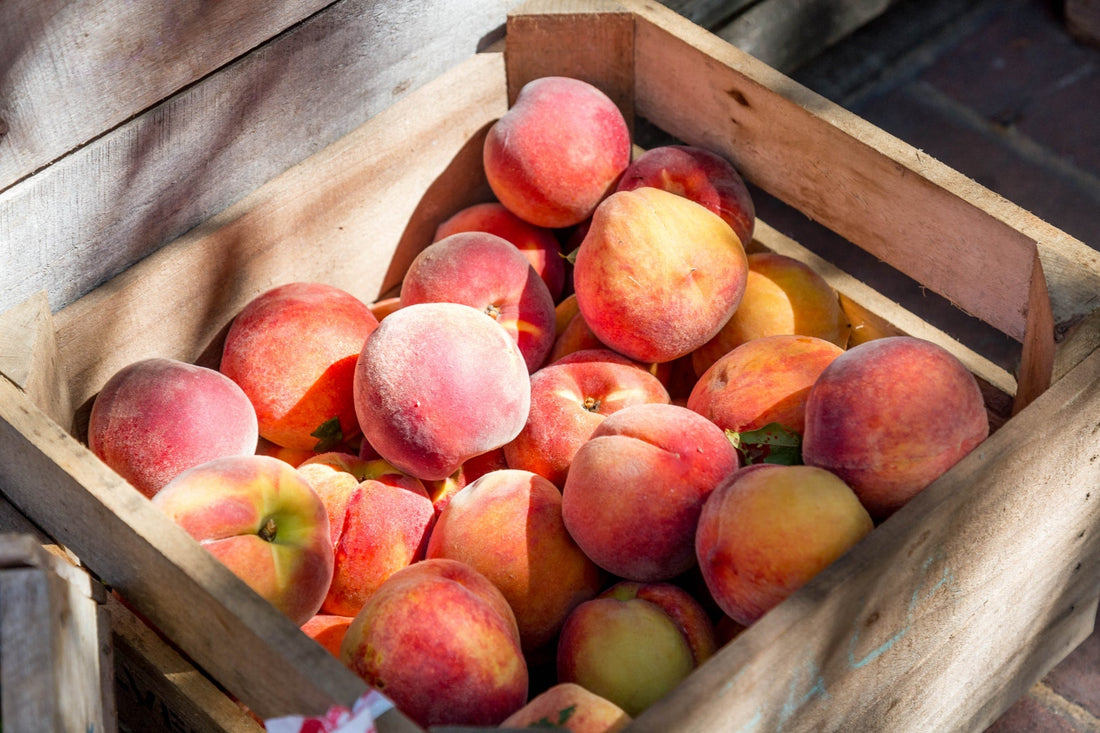
Peaches are sweet, fragrant, and full of vitamins — and if your dog has ever sniffed one out of a bowl, you may be wondering if it's safe to share. As a veterinarian, I can tell you: fresh peach flesh is generally safe for dogs in small amounts, but there are important precautions every dog owner should know.
Are Peaches Safe for Dogs?
Yes — the flesh of fresh peaches is safe for most dogs and offers several beneficial nutrients:
- Vitamin A — supports vision, immune function, and skin health
- Vitamin C — antioxidant support
- Dietary fiber — supports digestive regularity
- Potassium — important for heart and muscle function
Peaches also have a high water content, making them a refreshing warm-weather treat.
The Danger: Peach Pits
This is the most important safety point: peach pits are dangerous for dogs and must always be removed before offering any peach to your pet.
Cyanide Risk
Peach pits (and other stone fruit pits including cherry, apricot, and plum pits) contain amygdalin, a compound that releases cyanide when metabolized. A dog that chews open a peach pit could receive a dangerous dose. Symptoms of cyanide poisoning include: bright red gums, rapid breathing, dilated pupils, and collapse. This is a veterinary emergency.
Choking and Obstruction
Even without chewing the pit open, a dog that swallows a whole peach pit risks choking or intestinal obstruction — both of which are serious surgical emergencies.
What About Canned Peaches?
Avoid canned peaches. They're typically packed in heavy syrup with high sugar content — far more than fresh fruit. The added sugar offers nothing beneficial for dogs and contributes to weight gain and dental decay. If only canned peaches are available, look for "in water" or "in juice" varieties and rinse thoroughly before offering a tiny piece.
How to Safely Give Your Dog Peaches
- Wash the peach thoroughly
- Remove the pit completely — discard where your dog can't access it
- Peel if desired (the skin is safe but can be harder to digest)
- Cut into small, bite-sized pieces
- Offer as an occasional treat — a slice or two, not a whole peach
As with any treat, peaches should make up no more than 10% of your dog's daily caloric intake. The natural sugar content means moderation is especially important for dogs prone to weight gain or blood sugar issues.
Other Stone Fruits: What's Safe?
- Cherries: The flesh is safe in small amounts, but pits, stems, and leaves contain cyanogenic compounds. Maraschino cherries (no pits, but very sugary) should be avoided. Too risky overall for most pet owners — skip them.
- Plums: Flesh is safe; pit is dangerous. Same rules as peaches apply.
- Apricots: Flesh is safe in small amounts; pit, leaves, and stems are toxic.
- Mangoes: Safe once the pit and skin are removed — one of the better stone fruit options.
Supporting Your Dog's Wellness With Natural Nutrition
Fresh fruits like peaches can be a wholesome, natural addition to your dog's treat rotation. At VetCBD Hemp, we take the same whole-body, nature-first approach to canine wellness. Our products are formulated by Dr. Tim Shu, DVM to support your dog's health at every life stage.
Explore our veterinarian-formulated CBD tinctures for dogs, review our third-party lab results, or book a free vet consultation.
Frequently Asked Questions
Can puppies eat peaches?
Yes, in very small amounts. Make sure the pit is removed and the pieces are tiny enough not to be a choking risk. Introduce new foods gradually and monitor for any digestive sensitivity.
Can dogs eat dried peaches?
Dried peaches are technically not toxic, but they are much more concentrated in sugar than fresh peaches and often contain sulfur dioxide preservatives. A tiny piece is unlikely to cause harm, but they're not recommended as a regular treat.
My dog ate a peach pit — what should I do?
Contact your veterinarian or the ASPCA Animal Poison Control Center (888-426-4435) immediately. If the pit was chewed and broken open, cyanide exposure is a concern and warrants urgent evaluation. If swallowed whole, obstruction is the primary risk — your vet may recommend monitoring or intervention depending on your dog's size.
