

Apple cider vinegar (ACV) has become a fixture of the natural pet wellness conversation — used topically, added to water, and credited with benefits ranging from flea prevention to digestive support. The enthusiasm is understandable: it's accessible, affordable, and backed by a long tradition of use. But how much of what's claimed actually holds up?
Here's an honest look at the evidence — and how ACV compares to other natural supplement options like hemp CBD.
What Apple Cider Vinegar Might Do for Dogs
Skin and Coat Support — Topical Use
Diluted ACV (typically a 50/50 mix with water) is commonly used as a topical rinse or spray for skin irritation, itchiness, and to help restore skin pH. The mild acidity may help with certain surface-level skin concerns. It should never be applied to open wounds, raw skin, or around the eyes — this can cause significant pain and damage.
Digestive Support — Anecdotal
Some owners add small amounts of diluted ACV to their dog's water claiming digestive benefits. There is limited formal research on this in dogs. The probiotic properties of raw, unfiltered ACV (with "the mother") may have some GI benefit — but the evidence base is largely anecdotal. Avoid giving ACV undiluted, and start with very small amounts (1/4 teaspoon or less) to assess tolerance.
Ear Cleaning — With Caution
Diluted ACV is sometimes used as a topical ear rinse for mild outer ear issues. This should only be done under veterinary guidance — ACV should never be used on a dog with an active ear infection, inflammation, or damage to the ear canal, as it can cause significant irritation.
What ACV Can't Do
Claims that ACV prevents fleas and ticks, detoxifies the body, or treats bacterial and yeast infections are not supported by adequate evidence. For flea and tick prevention, use veterinarian-recommended parasite control. For diagnosed infections, ACV is not a substitute for targeted treatment.
How Hemp CBD Compares
While ACV works largely through its acidic properties and surface-level effects, hemp CBD operates through a fundamentally different mechanism — the endocannabinoid system (ECS), a regulatory network that influences mood, inflammatory response, comfort, and immune function throughout the body.
Here's a practical comparison:
- Apple cider vinegar: Best suited for topical skin support, mild GI tinkering; evidence is largely anecdotal for most uses
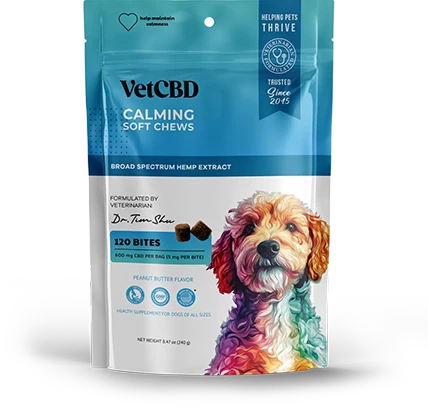
- Hemp CBD: Supported by growing research for joint comfort, calm behavior, normal inflammatory response, and daily wellness; works systemically through the ECS
They're not competing — some dog owners use both. But if you're looking for a supplement with a clearer mechanism and more established evidence base, vet-formulated hemp CBD is worth considering.
Our full-spectrum CBD tinctures are formulated by Dr. Tim Shu, DVM, triple-tested by independent labs, and use an olive-oil base that's gentle on the digestive system. View all certificates of analysis here.
Frequently Asked Questions
Is apple cider vinegar safe for dogs to drink?
Small amounts of diluted ACV are generally safe for most dogs, but it's not appropriate for dogs with kidney disease, gastrointestinal ulcers, or low stomach acid. Start with a very small amount and monitor for digestive upset.
Can I use ACV to clean my dog's ears?
Only under veterinary guidance, and never with an active infection, inflammation, or perforated eardrum. Consult your vet before using any home remedy on your dog's ears.
What natural supplements are best for dog wellness?
The most evidence-supported natural dog supplements include omega-3 fatty acids (fish oil), vet-formulated CBD, probiotics, and glucosamine for joint health. Which ones are appropriate depends on your dog's specific needs — book a free vet consultation with our team for personalized guidance.

